
Can You Install Artificial Grass in Shaded Areas?
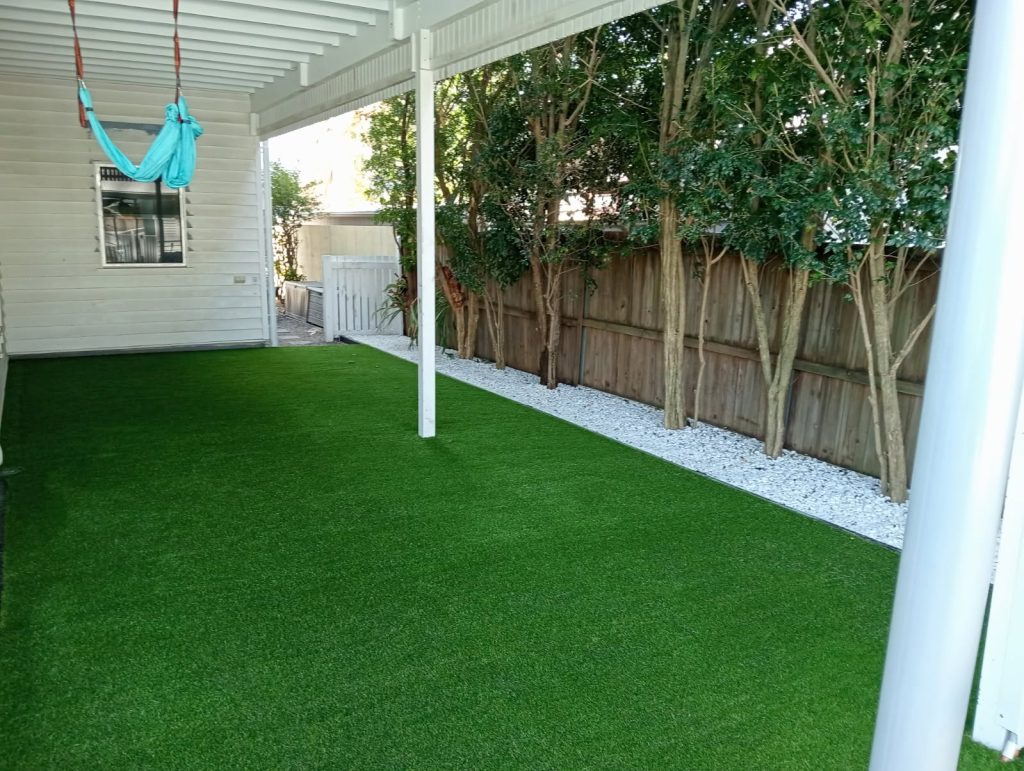
Natural grass often struggles in areas that receive little sunlight. Large trees, boundary fences, neighbouring buildings, and covered patios can all block sunlight, leaving patches of thin, muddy, or lifeless grass. If grass won’t grow in shade, you’re not alone. Many Melbourne homeowners face the same problem.
Artificial grass offers a practical solution for shaded spaces. It stays green throughout the year, doesn’t rely on sunlight to survive, and requires very little maintenance. Whether you’re dealing with a small side yard or a heavily shaded backyard, synthetic turf can create a clean, attractive outdoor area without the ongoing frustration of patchy natural grass.
Why Natural Grass Struggles in Shaded Areas
Grass needs sunlight to produce energy through photosynthesis. When sunlight is limited, grass growth slows, roots become weaker, and the lawn becomes more vulnerable to disease and moss.
Common reasons grass won’t grow in shade include:
- Dense tree canopies blocking sunlight
- Tall fences casting shadows
- Multi-storey homes reducing daylight
- Covered outdoor entertaining areas
- Poor air circulation
- Excess moisture in shaded spots
Even shade-tolerant grass varieties often struggle if they receive less than four hours of direct sunlight each day.
Can You Install Artificial Grass in Shaded Areas?
Yes. Artificial grass in shaded areas performs exceptionally well because it doesn’t require sunlight to stay green and healthy.
Unlike natural turf, synthetic grass doesn’t rely on photosynthesis, watering, or fertiliser. Once installed correctly with proper drainage, it maintains its appearance regardless of how much sunlight reaches the area.
This makes artificial grass ideal for:
- Side pathways
- Courtyards
- Under large trees
- Covered patios
- Apartment gardens
- Narrow spaces between buildings
- Children’s play areas
- Pet runs
Instead of fighting with bare patches every season, you can enjoy a consistently attractive lawn all year.
Benefits of Artificial Grass in Shaded Areas
1. Stays Green All Year
Natural lawns often become thin and discoloured in shaded locations. Artificial grass keeps the same vibrant appearance every season without depending on sunlight.
2. No Muddy Patches
Shaded areas tend to remain damp after rain, creating muddy sections that damage natural lawns. Synthetic grass provides a cleaner surface for everyday use.
3. Lower Maintenance
Artificial grass eliminates many of the regular lawn care tasks associated with natural grass.
You won’t need to:
- Mow
- Water
- Fertilise
- Overseed
- Apply lawn treatments
Simple brushing and occasional rinsing are usually enough to keep the surface looking its best.
4. Better Drainage
Quality artificial grass systems include a permeable backing that allows rainwater to drain efficiently. Proper installation helps prevent water from pooling in shaded locations.
5. Pet-Friendly
Shaded areas are popular spots for pets to relax during warm weather. Artificial grass provides a durable surface that is easy to clean and doesn’t become patchy from repeated use.
Where Artificial Grass Works Best in Shaded Areas
Many parts of a property receive limited sunlight. Artificial grass is suitable for locations including:
- Under mature trees
- Between buildings
- South-facing gardens
- Courtyards
- Pool surrounds
- Balcony gardens
- Outdoor entertainment spaces
- Commercial landscapes
- Childcare centres
- Schools
These areas often struggle with natural grass but can benefit from a low-maintenance synthetic surface.
Will Artificial Grass Grow Mould in Shade?
A common concern is whether artificial grass will develop mould or mildew in damp, shaded areas.
Quality artificial grass itself does not grow mould because the fibres are synthetic. Problems usually occur only when leaves, soil, or organic debris are allowed to build up over time.
To keep shaded areas fresh:
- Remove fallen leaves regularly.
- Brush the grass occasionally.
- Rinse the surface if required.
- Keep drainage points clear.
Proper installation with a suitable base and drainage system greatly reduces the risk of moisture-related issues.
Choosing the Right Artificial Grass for Shaded Areas
Not all synthetic grass products are the same. When selecting turf for shaded spaces, consider:
Soft Texture
A softer pile creates a comfortable surface for families and pets.
Good Drainage
Choose products with a perforated backing that allows water to pass through efficiently.
UV Protection
Even shaded areas receive indirect sunlight. UV-stabilised fibres help maintain colour over many years.
Natural Appearance
Premium artificial grass combines multiple shades of green with brown thatch fibres to replicate the appearance of natural turf.
Installation Tips for Shaded Areas
Proper installation plays a major role in the performance of artificial grass.
A professional installation typically includes:
- Removing existing grass and roots
- Preparing a stable crushed rock base
- Installing weed control fabric
- Creating suitable drainage
- Securing the turf correctly
- Brushing the fibres for a natural finish
A well-prepared base helps the grass remain level and prevents water from collecting beneath the surface.
Is Artificial Grass Better Than Trying to Grow Natural Grass?
If your lawn receives very little sunlight, artificial grass is often the more practical long-term solution.
| Natural Grass | Artificial Grass |
|---|---|
| Needs sunlight | Performs well in shade |
| Requires watering | No watering required |
| Regular mowing | No mowing |
| Can become muddy | Clean, usable surface |
| Patchy growth | Consistent appearance |
| Fertiliser required | Minimal maintenance |
For homeowners who repeatedly reseed shaded lawns without success, artificial grass can reduce maintenance while improving the appearance of the outdoor space.
Frequently Asked Questions
Can artificial grass be installed under trees?
Yes. Artificial grass is an excellent option beneath mature trees where natural grass struggles because of limited sunlight and competing tree roots.
Does artificial grass need sunlight?
No. Artificial grass does not require sunlight to maintain its colour or appearance.
Will weeds grow through artificial grass?
Professional installation includes a weed barrier and compacted base, which significantly reduces weed growth. Occasional weeds may appear around the edges and can be removed easily.
Is artificial grass suitable for damp shaded areas?
Yes, provided the installation includes proper drainage. A quality base allows rainwater to drain efficiently and helps prevent standing water.
How long does artificial grass last?
Premium artificial grass typically lasts between 15 and 20 years, depending on product quality, installation, and usage.
Final Thoughts
If grass won’t grow in shade, replacing it with artificial grass can save time, reduce maintenance, and improve the appearance of your outdoor space. Modern synthetic turf looks realistic, drains well, and performs reliably in areas where natural lawns struggle.
Whether you’re updating a shaded courtyard, a backyard beneath mature trees, or a side passage that rarely sees the sun, artificial grass in shaded areas provides a durable and attractive solution that stays green throughout the year.