
Best Artificial Turf for Melbourne Schools & Childcare Centres
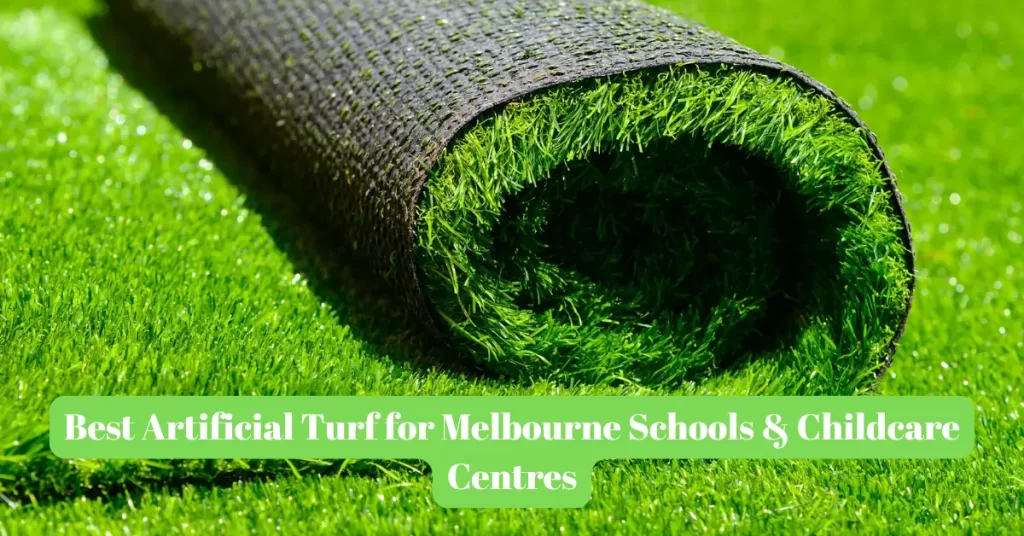
Schools and childcare centres across Melbourne are increasingly choosing artificial turf as a safer, cleaner, and more durable alternative to natural grass. With heavy foot traffic, active play, unpredictable weather, and strict safety requirements, education facilities need surfaces that can withstand constant use while keeping children protected.
In this guide, we explore the best artificial turf options for Melbourne schools, the features to look for, installation considerations, safety benefits, and why synthetic turf has become the preferred choice for educational environments.
Why Melbourne Schools Are Switching to Artificial Turf
1. Safety and Softness for Children
Modern artificial grass in Melbourne is engineered to be soft, cushioned, and impact-absorbing, making it a great choice for active play areas.
- Shock-pad layers reduce injuries: A quality underlay helps absorb falls, protecting younger children during high-activity play.
- Non-slip even when wet: Synthetic turf provides better traction during rainy days, reducing slips and falls compared to wet natural grass.
2. Clean, Mud-Free Outdoor Spaces Year-Round
Schools struggle with muddy playgrounds, especially after Melbourne’s sudden rainfalls.
- No mud, no mess: Artificial turf eliminates mud patches, meaning classrooms stay cleaner and less dirt is tracked inside.
- Consistent green appearance: Turf stays lush and vibrant all year, giving schools a neat and professional look.
3. Low Maintenance and Lower Long-Term Costs
Maintaining natural grass on school grounds is expensive and time-consuming.
- No mowing, watering, or fertilising: Turf eliminates recurring maintenance tasks and reduces long-term operational costs.
- Durable under heavy traffic: Even with hundreds of children using the space daily, synthetic turf maintains its structure and appearance.
4. Better Drainage for Melbourne Weather Conditions
Melbourne weather can swing from heavy rain to hot sun quickly.
- Fast-drain technology: Artificial turf allows water to drain efficiently, reducing puddles and surface flooding.
- Usable sooner after rain: Children can return to play faster, improving outdoor activity time.
What Makes the Best Artificial Turf for Schools & Childcare Centres?
1. High-Density and Durable Fibres
Look for turf designed for high-traffic school environments, particularly those with dense stitching and premium yarns.
- Maintains shape longer: Dense synthetic grass fibres resist flattening from constant foot traffic.
- Suitable for active play: Durable construction ensures the turf can withstand running, jumping, and sports activities.
2. Soft, Non-Abrasive Texture
Children often fall, roll, and sit on turf, so softness is essential.
- Safe for skin: Soft-touch fibres reduce friction burns compared to cheaper turf options.
- Comfortable for seated activities: Many schools use turf for reading zones, assemblies, and outdoor classes.
3. Heat-Resistant Artificial Grass for Melbourne Climate
On hot days, some lower-quality turf types can heat up.
- UV-stabilised fibres: Premium synthetic turf in Melbourne is UV-treated to reduce heat absorption and prevent fading.
- Cooler underfoot: Newer turf technologies include cooler yarns for improved comfort during sunny days.
4. Child-Safe, Non-Toxic Materials
Schools must ensure the materials used are completely safe.
- Lead-free & non-toxic: Quality artificial grass contains no harmful chemicals.
- Allergy-friendly: Synthetic turf eliminates pollen production, providing relief for young children with grass allergies.
5. Built-in Shock Pad System
Shock pads are crucial for childcare centres and primary schools.
- Improved fall protection: Extra cushioning meets Australian playground safety standards.
- Essential under equipment: Ideal for swings, slides, climbing frames, and sports areas.
Popular Applications of Artificial Turf in Melbourne Schools
1. Playgrounds and Outdoor Activity Zones
Artificial turf is the most common upgrade for school playgrounds.
- Safe for high-energy play: Soft, cushioned turf protects children during running and climbing.
- Consistent surface: No holes, mud, or uneven patches means safer movement for kids.
2. Sports Fields and Multi-Purpose Courts
Schools are increasingly upgrading their sports grounds to fake turf.
- Suitable for football, soccer, hockey, and fitness training: Durable turf supports a wide range of school sports.
- Weatherproof playtime: Games don’t need to be cancelled due to muddy or damaged natural fields.
3. Kindergarten & Childcare Outdoor Spaces
Childcare centres love turf because it keeps areas clean and manageable.
- Soft and hygienic: Turf fibres are easy to clean, disinfect, and maintain for young children.
- Versatile for play and learning: Many centres use turf for sensory play, reading corners, and outdoor craft activities.
4. School Courtyards and Assembly Areas
Artificial turf creates a structured yet natural-looking space.
- Adds colour and comfort: Bright green turf transforms boring concrete areas into inviting learning zones.
- Perfect for events: Assemblies, performances, and group gatherings become more enjoyable on soft grass-like surfaces.
5. Indoor Learning Areas and Libraries
Some schools even bring turf indoors for creative learning zones.
- Great for themed spaces: Creates an outdoor-feel reading nook or quiet play zone.
- Extremely low maintenance: No watering or light necessary indoors.
How to Choose the Right Synthetic Turf for Your Melbourne School
1. Select the Right Pile Height
For schools, a medium-to-high pile height is ideal.
- 30–40mm for playgrounds: Soft and cushioned, offering better protection during falls.
- 20–25mm for sports: Shorter pile for smoother ball roll and faster play.
2. Ensure Proper Drainage Capability
Drainage is essential for Melbourne’s unpredictable rain.
- Permeable backing: Allows water to pass through quickly, reducing downtime after storms.
- Double drainage systems: Premium products have advanced backing materials for faster absorption.
3. Choose UV-Stabilised, Heat-Resistant Turf
To ensure longevity and comfort:
- No fading: UV protection helps turf retain its colour for over a decade.
- Cooler surface: Modern yarn technology keeps turf cooler under the Australian sun.
4. Partner with Professional Turf Installers in Melbourne
For long-lasting turf, professional installation is crucial.
- Correct base preparation: Proper levelling, compaction, and substrate ensure durability.
- Safe edge finishing: Skilled installers secure edges to prevent tripping hazards and lifting.
Benefits of Professional Fake Turf Installation for Schools
1. Faster Installation Times
Schools benefit from quick installation that minimizes disruptions.
- Weekend or holiday installation: Many installers complete projects during school breaks for zero interruption.
2. Higher Safety Standards
Professionals understand the safety guidelines for Australian educational facilities.
- Certified materials: Ensures turf meets Australian fire and toxicity standards.
- Shock-pad compliance: Ensures equipment zones meet fall height requirements.
3. Long-Term Warranty and Support
A reputable turf company provides warranties for peace of mind.
- UV & wear warranty: Many offer 7–10 year warranties on turf fibres.
- Maintenance support: Some provide ongoing cleaning and upkeep services for busy schools.
Conclusion – The Best Artificial Turf Solution for Melbourne Schools
Choosing the right artificial turf is one of the most valuable upgrades for Melbourne schools and childcare centres. The right product will ensure safety, durability, cleanliness, and year-round usability, even with heavy use. Whether your facility needs synthetic grass for playgrounds, artificial turf for sports fields, or fake grass for creative learning spaces, selecting a premium, education-grade product is essential.
For high-quality installation, premium materials, and expert guidance, Melbourne schools trust Synthetic Grass Living for long-lasting and safe synthetic turf solutions.
Frequently Asked Questions
1. Is artificial turf safe for children in Melbourne schools and childcare centres?
Yes, high-quality artificial turf designed for educational environments is completely safe for children. It is non-toxic, lead-free, and built with soft fibres that reduce injury risks during playtime. Many Melbourne schools choose synthetic turf because it stays clean, cushioned, and allergy-friendly all year round.
2. How long does synthetic grass last in high-traffic school playgrounds?
Artificial grass in school settings typically lasts 10–15 years, depending on usage and maintenance. Modern synthetic turf products are engineered to withstand heavy foot traffic, rough play, and Melbourne’s weather conditions while maintaining colour and softness.
3. Does fake grass get too hot for children to play on?
While artificial turf can warm up under direct sunlight, most modern products include heat-reduction technology. Schools can further manage heat by choosing lighter-coloured turf, ensuring shade structures, or lightly watering the surface on extremely hot Melbourne days.
4. What maintenance does artificial turf require in childcare centres?
Maintenance is minimal compared to natural grass. Regular steps include brushing the fibres to keep them upright, rinsing to remove dust, and checking infill levels. This helps keep the synthetic turf clean, hygienic, and safe for daily school or childcare activities.
5. Is synthetic grass suitable for sports areas in Melbourne schools?
Absolutely. Artificial turf is ideal for sports fields, running tracks, and multipurpose play areas. It provides consistent traction, reduces muddy surfaces, and ensures all-weather playability—making it a perfect upgrade for Melbourne school sports facilities.
6. How does fake turf improve safety in childcare playgrounds?
High-quality synthetic turf systems can be paired with shock-pad underlays that meet Australian playground safety standards. This cushioning layer reduces impact injuries from falls, making it safer than natural grass or hard playground surfaces.